Mes: junio 2020

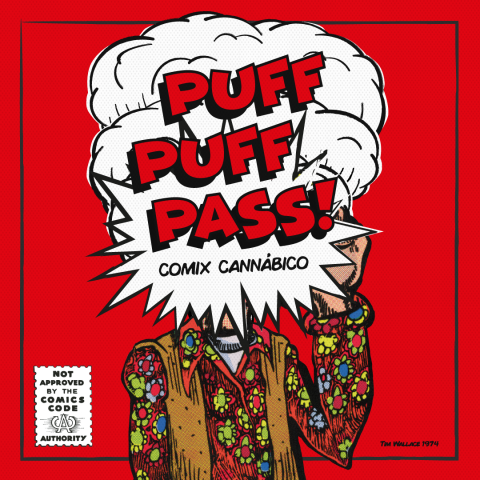
Puff Puff Pass! Cannabis Comix

March 13th, 2020 to February 28th, 2021
Hash Marihuan Museum Barcelona  ground floor, free entry, Carrer Ample, 35, 08002 Barcelona

The new exhibition ‘Puff Puff Pass!’ browses through the ‘smoky’ adventures of various cannabis stars.
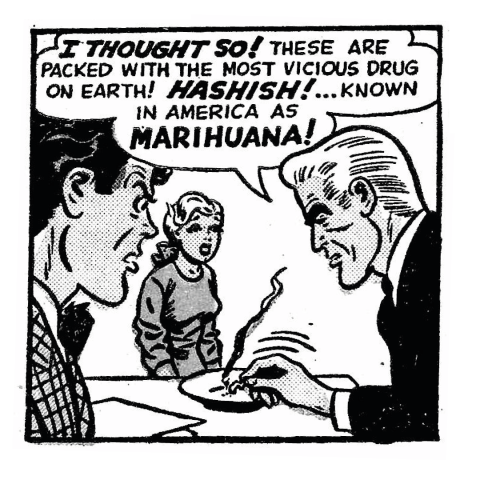
The Comics Code Authority in the US began marking the covers of comics with its seal of approval in 1954. Although the Code did not specifically forbid showing the use of cannabis, a clause prohibited all elements that offended good taste or decency. It was then that cartoon character Kerry Drake fought, in his crime comics, against cannabis growers with the argument that they were “making marihuana addicts out of kids”.

These ‘addicted’ kids were Robert Crumb, Paul Kirchner, Paul Mavrides, Gilbert Shelton and Dave Sheridan. These ‘underground comix’ legends began to create cannabis strips in the late 1960s. As these comics were distributed in seed banks and head shops, they could escape the Code’s control, and prosper amongst comic readers. Dealer McDope, Dope Rider, the Fabulous Furry Freak Brothers, and their Spanish counterpart Makoki, became society’s antiheroes.

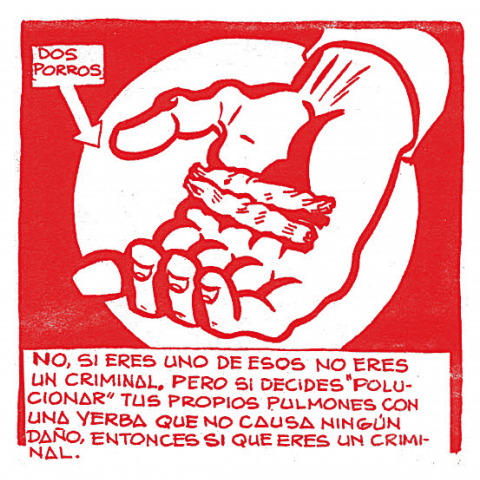
Nowadays, with more and more countries choosing to legalize cannabis, the work of a new generation of illustrators including Abarrots, Rosa Codina, Aroha Travé and Roberta Vázquez shows that they do not need anyone’s approval. Maybe their cartoon characters do not mention weed straight away, but in many strips you will catch a glimpse of someone rolling a joint. The new exhibition ‘Puff Puff Pass!’ browses through the ‘smoky’ adventures of various cannabis stars.
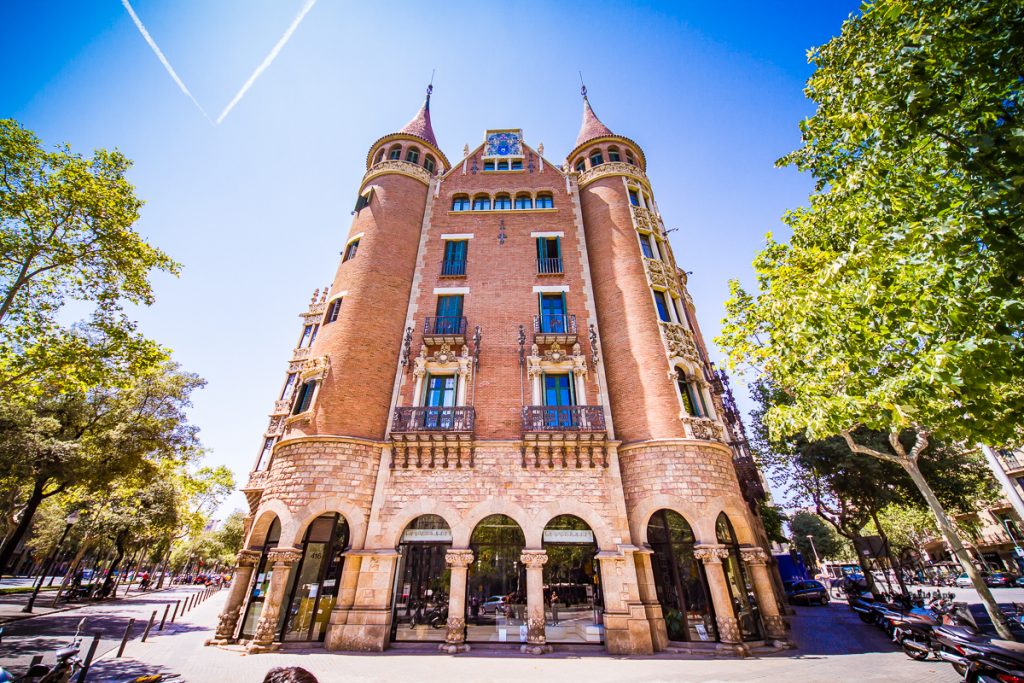
The history of Bartomeu Terradas, Futbol Club Barcelona and…. Casa de les Punxes.

Bartomeu Terradas is known as a iconic figure of the football world. History teaches us that the football club FC Barcelona should be grateful for this man thanks to a number of high-profile incidents. Bartomeu was the first treasurer of Futbol Club Barcelona and its second president. But his relationship with the club goes beyond these two facts. 

First a few short facts about Bartomeu and his life.  Bartomeu Terrades was born in 1874, for the experts among us: 25 years before Futbol Club Barcelona, popularly known as Barça, was founded.

Bartomeu Terradas was born into a bourgeois business family along with three sisters: Àngela, Rosa and Josepha and all of them would later live in the Casa de les Punxes.

The start of FCB. Bartomeu became one of the twelve founders of the Futbol Club Barcelona, a club that nowadays has a reach on a worldwide scale while Bartomeu became one of it’s central figures. 

One of the most historic moments was the first game of FC Barcelona, at the time still a small club in which Bartolomeu played and became moreover the first treasurer. After a while he became the second president of the club and the first Catalan. Not only did he help the club with these positions but he was also one of the first patrons of FC Barcelona. Imagine what this club could have started without this figure at the time….

When the club had to leave the first football field where they played, Terradas contributed 14,000 “pesetas” to rent the land where the second one would be located. With this amount of money he actually saved Fc Barcelona from a bankruptcy at that time! This event is another example of a moment where the club would not survive well without Bartomeu.  

During the years of Terradas’ presidency, Barça won its first title: the Macaya Cup in 1902. A year before his father died and he had to take over the family business. That year he also married Pilar Soler Julià, with whom they had ten children. A turbulent year for Terradas. 

Bartomeu played a total of 31 matches and stopped playing in 1903. He started to move away from Barça in 1905. When the professionalization of the club and the players led Terradas to feel that he was losing the initial concept of the club, Bartomeu came up with a new concept. Between these years he asked the two guys Puig and Cadafalch to build a house for his sisters, which would end up being the monumental  Casa de les Punxes.


es_ESEspañol